
Understanding Fire Damage Repair Expenses

Fire damage can be devastating. It affects not only the structure of a home but also the belongings inside. After the fire is out and the smoke clears, the next step is restoration. Understanding fire damage repair expenses is crucial for planning and managing the recovery process effectively. In this post, I will walk you through the key factors that influence these costs and what you can expect during restoration.
What Influences Fire Damage Repair Expenses?
Fire damage repair expenses vary widely depending on several factors. The extent of the fire damage is the most significant. A small kitchen fire will cost much less to repair than a fire that affects multiple rooms or the entire house. Other factors include:
Size of the property: Larger homes require more materials and labor.
Type of materials damaged: Some materials are more expensive to replace or repair.
Smoke and soot damage: Even if the fire is contained, smoke can cause extensive damage.
Water damage: Firefighting efforts often involve water, which can lead to additional repairs.
Structural damage: If the fire compromises the building’s structure, costs increase.
Location: Labor and material costs vary by region.
For example, repairing a small fire in a living room might involve replacing drywall, repainting, and cleaning smoke damage. In contrast, a severe fire might require rebuilding walls, replacing flooring, and installing new electrical wiring.
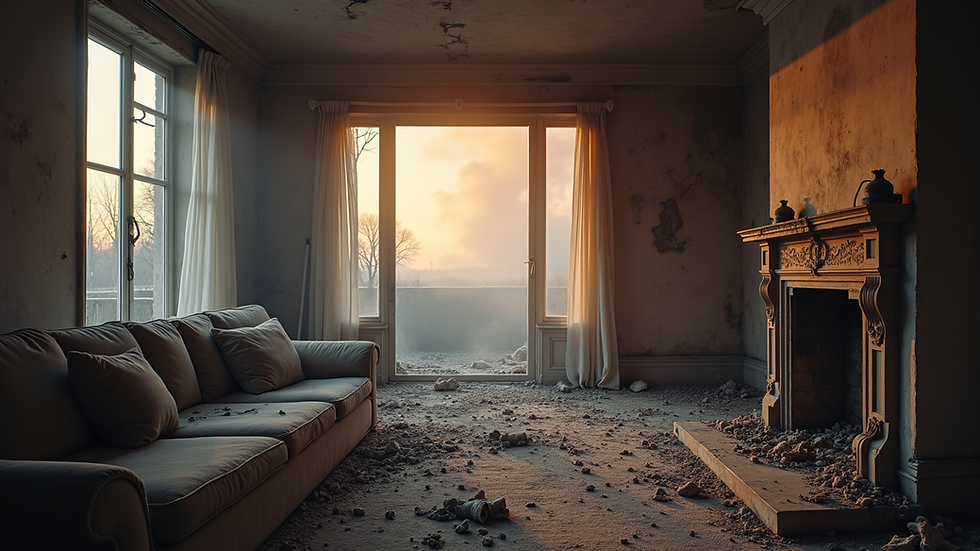
Fire Damage Repair Expenses Breakdown
Understanding the breakdown of fire damage repair expenses helps in budgeting and insurance claims. Here are the main categories:
Assessment and Inspection
Before any work begins, professionals assess the damage. This includes checking structural integrity and identifying hazardous materials. This step usually costs a few hundred dollars but is essential for planning.
Board-Up and Roof Tarp Services
To prevent further damage, damaged windows, doors, and roofs are boarded up or covered. This service protects the home from weather and trespassers.
Water Removal and Drying
Water used to extinguish the fire can cause mold and rot. Removing water and drying the property is critical and often requires specialized equipment.
Smoke and Soot Removal
Smoke and soot can penetrate walls, ceilings, and belongings. Cleaning these requires professional-grade cleaners and techniques.
Structural Repairs
This includes replacing drywall, flooring, roofing, and sometimes framing. The cost depends on the extent of the damage.
Contents Cleaning and Restoration
Personal belongings like furniture, clothing, and electronics may be cleaned or restored if possible.
Reconstruction and Remodeling
After repairs, some areas may need remodeling to restore the home to its pre-fire condition.
Each of these steps adds to the total cost. For example, water removal might cost $1,000 to $3,000, while structural repairs can range from $5,000 to $20,000 or more.
Is Anything Salvageable After a Fire?
One common question is whether anything can be saved after a fire. The answer depends on the type and extent of the damage. Some items and materials can be restored, while others must be replaced.
Salvageable items: Metal furniture, some appliances, and certain types of clothing can often be cleaned and restored.
Non-salvageable items: Porous materials like mattresses, pillows, and some upholstered furniture usually cannot be saved due to smoke and soot absorption.
Structural elements: Wood framing and drywall may be salvageable if the fire damage is limited and the materials are not charred or weakened.
Professional restoration companies use specialized cleaning methods such as ozone treatment and thermal fogging to remove smoke odors and contaminants. It is important to act quickly because prolonged exposure to smoke and water can worsen damage.

How to Manage Fire Damage Repair Expenses
Managing fire damage repair expenses requires careful planning and informed decisions. Here are some practical tips:
Get multiple estimates: Contact several restoration companies to compare prices and services.
Check insurance coverage: Understand what your homeowner’s insurance covers and file claims promptly.
Prioritize repairs: Focus on critical repairs first, such as structural safety and water removal.
Document everything: Take photos and keep receipts for all expenses related to the fire damage.
Consider temporary housing costs: If your home is uninhabitable, factor in the cost of temporary accommodation.
Ask about payment plans: Some companies offer financing options to spread out costs.
By staying organized and proactive, you can reduce stress and avoid unexpected expenses.
What Does Fire Damage Restoration Typically Cost?
The cost of fire damage restoration varies widely. To give you a general idea, here are some average price ranges:
Minor fire damage: $2,000 to $10,000
Moderate fire damage: $10,000 to $30,000
Severe fire damage: $30,000 to $100,000 or more
These figures depend on the factors discussed earlier. For a more precise estimate, you can explore how much does fire damage restoration cost to get detailed information tailored to your situation.
Remember, investing in professional restoration can save money in the long run by preventing further damage and ensuring your home is safe and livable.
Final Thoughts on Fire Damage Repair Expenses
Fire damage restoration is a complex process with many variables affecting the cost. Understanding these factors helps you prepare financially and make informed decisions. Quick action, professional help, and clear communication with your insurance company are key to a smooth restoration process.
If you face fire damage, focus on safety first, then move forward with a clear plan. Restoration is possible, and with the right approach, your home can be restored to its former condition.
Taking the time to understand fire damage repair expenses empowers you to handle this challenging situation with confidence and control.


Comments